Saturday, December 4, 2021

Ascoril LS Syrup (100ml)


Ascoril LS Syrup

Ambroxol(300mg/5ml) + levosalbutamal(1mg/5ml) + guaifenesin (50mg/5ml)

 Ascoril LS Syrup is taken with or without food in a dose and duration as advised by the doctor. The dose you are given will depend on your condition and how you respond to the medicine. You should keep taking this medicine for as long as your doctor recommends. If you stop treatment too early your symptoms may come back and your condition may worsen. Let your healthcare team know about all other medications you are taking as some may affect, or be affected by this medicine.


The most common side effects are nausea, diarrhea, stomach pain, vomiting, muscle cramp, headache, skin rash, and increased heart rate. Most of these are temporary and usually resolve with time. Contact your doctor straight away if you are at all concerned about any of these side effects. This medicine can also cause sleepiness, so do not drive or do anything that requires mental focus until you know how this medicine affects you. Avoid drinking alcohol while taking this medicine as it can make sleepiness worse.


Never support self-medication or recommend your medicine to another person. It is beneficial to have plenty of fluids while taking this medication. Before taking this medicine, you should tell your doctor if you are pregnant, planning pregnancy, or breastfeeding. You should also tell your doctor if you have any kidney or liver diseases so that your doctor can prescribe a suitable dose for you.


In Treatment of Cough with mucus

Ascoril LS Syrup gives relief from cough with mucus. It helps to loosen thick mucus, making it easier to cough out. This makes breathing easy and reduces the frequency of coughing. Ascoril LS Syrup will also relieve allergy symptoms like watery eyes, sneezing, runny nose or throat irritation. Along with medications, drink enough luke warm water and gargle with warm salt water to ease the symptoms.


Ascoril LS Syrup.  is a combination of three medicines: Ambroxol, Levosalbutamol and Guaifenesin, which relieves cough with mucus. Ambroxol is a mucolytic which thins and loosens mucus (phlegm), making it easier to cough out. Levosalbutamol is a bronchodilator. It works by relaxing the muscles in the airways and widens airways. Guaifenesin is an expectorant which decreases the stickiness of mucus (phlegm) and helps in its removal from the airways. Together, they make breathing easier.

•Ascoril LS Syrup relieves cough accompanied with mucus that is associated with broncho-pulmonary disorders such as bronchitis, bronchial asthma and emphysema.

•It may cause dizziness and sleepiness. Do not drive or do anything that requires mental focus until you know how it affects you.

•If you are diabetic, monitor your blood glucose regularly while taking this medicine.

•Inform your doctor if you have a history of thyroid or heart disease.

•Stop taking Ascoril LS Syrup and inform your doctor if your cough persists for more than 1 week, tends to recur, or is accompanied by a fever, rash or persistent headache.


Q. Can the use of Ascoril LS Syrup cause diarrhea?

Yes, the use of Ascoril LS Syrup can cause diarrhea. In case you experience diarrhea, drink plenty of water or other fluids. Talk to your doctor if diarrhea persists and you notice any signs of dehydration, like less urination with dark colored and strong-smelling urine. Do not take any other medicine without consulting your doctor.


Q. Can the use of Ascoril LS Syrup cause dizziness?

Yes, the use of Ascoril LS Syrup can cause dizziness (feeling faint, weak, unsteady or lightheaded) in some patients. If you feel dizzy or lightheaded, it is better to rest for sometime and resume once you feel better. Do not drive or use any machines.

Q. What are the recommended storage conditions for Ascoril LS Syrup?

Keep this medicine in the container or the pack it came in, tightly closed. Store it according to the instructions mentioned on the pack or label. Dispose of the unused medicine. Make sure it is not consumed by pets, children and other people.

Ascoril LS Expectorant 100 ml belongs to the class of medicines called 'expectorants' primarily used to treat cough associated with mucus. Coughing (dry or productive) is a body's way of clearing irritants (like allergens, mucus or smoke) from airways and preventing infection.


Uses of Ascoril LS Expectorant 100 ml

•Chesty cough with mucus

Medicinal Benefits

Ascoril LS Expectorant 100 ml is a combination of three drugs, namely: Levosalbutamol, Ambroxol and Guaifenesin used to treat cough associated with mucus. Levosalbutamol belongs to the class of bronchodilators that works by relaxing muscles and widening the airways of the lungs. Ambroxol belongs to the class of mucolytic agents (cough/sputum thinner) that works by thinning and loosening phlegm (mucus) in lungs, windpipe and nose. Thereby, helps to cough out easily. Guaifenesin belongs to the class of expectorants that works by increasing the volume of fluid in the airways, reduce the stickiness of mucus and helps to remove it from airways.

Directions for Use

Shake the bottle well before use. Check the label for directions and take Ascoril LS Expectorant 100 ml with or without food in doses as prescribed by your doctor with the help of a measuring cup that is provided with the pack.

Storage

Store in a cool and dry place away from sunlight
Side Effects of Ascoril LS Expectorant 100 ml
Like all medicines, Ascoril LS Expectorant 100 ml can cause some common side effects such as nausea, vomiting, drowsiness, headache, dizziness, skin rash, tremor, stomach upset and diarrhoea. Most of these side effects of Ascoril LS Expectorant 100 ml do not require medical attention and gradually resolve over time. However, if the side effects worsen or persist, please consult your doctor.


Alcohol

Interaction of alcohol with Ascoril LS Expectorant 100 ml is unknown. Please consult a doctor before consuming alcohol with Ascoril LS Expectorant 100 ml.


Pregnancy

The safety of Ascoril LS Expectorant 100 ml in pregnant women is unknown. Therefore, it is given to pregnant women only if the doctor thinks benefits outweigh risks.


Side effects

•Increased heart rate

•Palpitations

•Dizziness, headache

•Drowsiness

•Vomiting or nausea

•Sweating and muscle cramps...

Mode of Action of Ascoril Ls Expectorant 100ml

How Does It Work?

Ascoril LS syrup acts by thinning, liquefying and loosening the mucus that is blocking the airways so that it can be coughed out easily. It also relaxes the airways and makes breathing easier.

Friday, December 3, 2021

Alex syrup reduces our dryness (sneezing)


Alex Syrup 100 ml

Phenylephrine (5mg/5ml) + chlorpheniramine maleate (2mg/5ml) +  dextromethorphan hydrobromide (10mg/5ml)

Alex Syrup 100 ml is a combination of three drugs, namely: Chlorpheniramine (antihistamine), Phenylephrine (decongestant) and Dextromethorphan (cough suppressant). Chlorpheniramine works by blocking the action of histamine, a substance responsible for causing allergic reactions. Phenylephrine helps in shrinking the blood vessels located in the nasal passage, thereby reducing stuffy nose. Dextromethorphan works by blocking the transmission of nerve signals from the cough center in the brain to the muscles that produce cough. Collectively, it helps to provide relief from dry cough.


Take Alex Syrup 100 ml with or without food as advised by your doctor with the help of a measuring cup. Your doctor will recommend how often you take Alex Syrup 100 ml based on your medical condition. Some people may experience dry mouth, throat or nose, drowsiness, blurred vision, constipation, dizziness, restlessness or excitation. Most of these side effects of Alex Syrup 100 ml do not require medical attention and gradually resolve over time. However, if the side effects persist or worsen, please consult your doctor.


If you are allergic to Alex Syrup 100 ml or any other medicines, please tell your doctor. If you are pregnant or breastfeeding, it is advised to inform your doctor before using Alex Syrup 100 ml. Alex Syrup 100 ml is not recommended for children below 12 years of age. If you are about to undergo any medical tests or surgery, please inform your doctor that you are taking Alex Syrup 100 ml. Avoid using Alex Syrup 100 ml if you have taken medicines such as linezolid, phenelzine, selegiline, rasagiline, isocarboxazid, tranylcypromine and methylene blue injection in the past 14 days. Drink plenty of fluids while taking Alex Syrup 100 ml to loosen mucus. If you have glaucoma, urinary problems, enlarged prostate, phenylketonuria (a congenital disability that causes accumulation of amino acid, phenylalanine in the body), cough with mucus or cough caused by asthma, smoking, chronic bronchitis or emphysema (a lung condition causing shortness of breath), inform your doctor before taking Alex Syrup 100 ml. 

Uses of Alex Syrup 100 ml

Dry Cough


Side Effects of Alex Syrup 100 ml

•Dry mouth, throat or nose

•Drowsiness

•Dizziness

•Blurred vision

•Headache

•Constipation

•Restlessness or excitation

•Loss of appetite

Drug Warnings

If you are allergic to Alex Syrup 100 ml or any other medicines, please tell your doctor. If you are pregnant or breastfeeding, it is advised to inform your doctor before using Alex Syrup 100 ml. Alex Syrup 100 ml is not recommended for children below 12 years of age. If you are about to undergo any medical tests or surgery, please inform your doctor that you are taking Alex Syrup 100 ml. Avoid using Alex Syrup 100 ml if you have taken medicines such as linezolid, phenelzine, selegiline, rasagiline, isocarboxazid, tranylcypromine and methylene blue injection in the past 14 days. Drink plenty of fluids while taking Alex Syrup 100 ml to loosen mucus. If you have glaucoma, urinary problems, enlarged prostate, phenylketonuria (a birth defect that causes accumulation of amino acid, phenylalanine in the body), cough with mucus or cough caused by asthma, smoking, chronic bronchitis or emphysema (a lung condition causing shortness of breath), inform your doctor before taking Alex Syrup 100 ml. 


Drug Interactions

Drug-Drug Interaction: Alex Syrup 100 ml may have interaction with anti-allergic drugs (diphenhydramine), anti-psychotic (escitalopram, desvenlafaxine, vilazodone), pain killer (aspirin), cold medicines (acetaminophen), antibiotics (amoxicillin), anti-depressants (linezolid, phenelzine, selegiline, rasagiline, isocarboxazid, tranylcypromine), beta blockers (metoprolol, atenolol), muscle relaxants (carisoprodol, cyclobenzaprine).


Drug-Food Interaction: Alex Syrup 100 ml may interact with alcohol. Therefore, avoid alcohol consumption with Alex Syrup 100 ml as it may increase the risk of adverse effects such as drowsiness, dizziness or difficulty in concentrating.


Drug-Disease Interaction: Alex Syrup 100 ml is known to interact in patients with liver or kidney disease, asthma, diabetes, glaucoma, cardiovascular diseases, enlarged prostate gland, chronic bronchitis or emphysema (a lung condition causing shortness of breath). 


Special Advise

Alex Syrup 100 ml may contain phenylalanine, so check the medication label if you have phenylketonuria (PKU).
Do not use Alex Syrup 100 ml only to make a child sleepy. 
Contact a doctor if your symptoms do not improve even after 7 days.
Contact a doctor immediately if you develop fever, rash or headaches after taking Alex Syrup 100 ml.  

Alex Syrup is taken with or without food in a dose and duration as advised by the doctor. The dose you are given will depend on your condition and how you respond to the medicine. You should keep taking this medicine for as long as your doctor recommends. If you stop treatment too early your symptoms may come back and your condition may worsen. Let your healthcare team know about all other medications you are taking as some may affect, or be affected by this medicine. 

•Is it safe to consume alcohol while using Alex Syrup ?

CAUTION:-

Caution is advised when consuming alcohol with Alex Syrup. Please consult your doctor.


•Is Alex Syrup safe to use during pregnancy?

 
CONSULT YOUR DOCTOR:-
Alex Syrup may be unsafe to use during pregnancy. Although there are limited studies in humans, animal studies have shown harmful effects on the developing baby. Your doctor will weigh the benefits and any potential risks before prescribing it to you. Please consult your doctor.

•Is Alex Syrup safe in kidney disease?

SAFE IF PRESCRIBED
Alex Syrup is probably safe to use in patients with kidney disease. Limited data available suggests that dose adjustment of Alex Syrup may not be needed in these patients. Please consult your doctor.


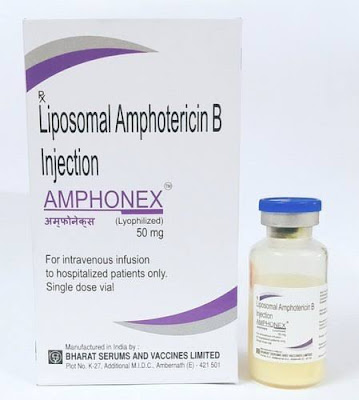
Amphonex 50mg injection (liposomal Amphotericin B [50mg])


AMPHONEX 50MG


Amphonex 50mg injection

Description:-

Amphonex 50 mg Injection is an antifungal medicine used to treat serious and potentially life-threatening infections caused by different fungal species. The liposomal form of this medicine has been shown to be less nephrotoxic than the conventional form. Incidences of infusion-related adverse reactions associated with the liposomal form are also fewer than that of the conventional form.

Substitutes:-

List of substitutes for Amphonex 50 mg Injection

Ambisome 50 mg Injection

Abbott Healthcare Pvt. Ltd.

Amphogard 50 mg Injection

Zydus Cadila

Hospicin B 50 mg Injection

Alkem Laboratories Ltd.

Lambin Lyophilised 50 mg Injection

Sun Pharma Laboratories Ltd.

Phosome 50 mg Injection

Cipla Ltd. 


Side effects

Major & minor side effects for Amphonex 50 mg Injection

•Irregular heart beat

•Fever and chills

•Diarrhea

•Decreased potassium levels

•Anemia

•Cough

•Abdominal pain

•Headache

•Pain at injection site

•Nausea and Vomiting

•Chest pain 

Uses of Amphonex 50 mg Injection

Invasive Aspergillosis

This medicine is used for the treatment of infections caused by fungi of the Aspergillus species that tend to spread quickly.

Candidemia

This medicine is used for the treatment of candidemia, a condition where the fungi of the Candida species are present in the blood.

Cryptococcosis

This medicine is used for the treatment of fungal infections caused by Cryptococcus species.

Febrile Neutropenia

This medicine is used to treat the development of fever in patients with neutropenia (low number of neutrophils in the blood). 


Warnings:-

Warnings for special population

Pregnancy

This medicine is recommended for use in pregnant women only if absolutely necessary. Discuss all the risks and benefits with your doctor before using this medicine.

Breast-feeding

This medicine is relatively safe for use in breastfeeding women. However, all the risks and benefits should be discussed with the doctor before using this medicine.

Anaphylaxis

This medicine may cause serious anaphylactic reactions. Appropriate corrective measures should be undertaken in the event of any anaphylactic reactions. Therapy may be discontinued based on the clinical condition.

Noninvasive fungal infections

This medicine is not recommended to treat noninvasive fungal infections in patients with normal neutrophil counts.


This medicine may cause infusion reactions such as a headache, fever, chills, loss of appetite, nausea, vomiting, breathing problems, or dizziness with the first few doses. These reactions usually diminish with subsequent doses. 


Dosage

Missed Dose

Since this medicine is administered in the hospital setting by a qualified healthcare professional, the likelihood of missing a dose is very low.

Overdose

Since this medicine is administered in the hospital setting by a qualified healthcare professional, the likelihood of an overdose is very low. However, emergency medical treatment will be initiated by the doctor if an overdose is suspected.

General Instructions

This medicine should be administered only by a qualified healthcare professional. Carefully follow all the instructions given by your doctor. Report to the doctor all your current medicines as well as your medical conditions before receiving this medicine. 


What is Amphonex Injection used for?

Amphonex 50mg Injection is an antifungal medication. It is used in the treatment of severe fungal infections and leishmaniasis. It kills fungi by destroying the fungal cell membrane. This way it helps treat the condition. 

What is liposomal Injection?

A drug preparation that contains the active drug inside very tiny, fat-like particles. This form is easier for the body to absorb and allows more drug to get to the target area of the body, such as a tumor. 

How do you make Amphonex?

Administration and Dosage: Instruction for use: Reconstitute each vial of AMPHONEXTM with 12mL of Water for Injection and shake the vial vigorously till a yellow uniform translucent solution is obtained. Amphotericin B content in this reconstituted solution is about 4mg/mL. 


Augmentin 625mg Duo Tablet(1000 mg)(625mg)

 Augmentin 625 Duo Tablet(1000 mg)


Amoreycillin(500mgt clewulanic Acid (125 mg) 

Augmentin 625mg  Tablet is penicillin type of antibiotic that helps your body fight infection Coused by bacterio. It is used to treat infection of the lung g-(pneumonia); ear, nasal Sinus, urinary tract, skin and soft tissu. It will not work for viral infetion Such as tue Common Cold.

Qualitative and quantitative composition

Each film-coated tablet contains amoxicillin trihydrate equivalent to 500 mg amoxicillin and potassium clavulanate equivalent to 125 mg of clavulanic acid.


For the full list of excipients, see section 6.1.

Pharmaceutical form

Film-coated tablet

White to off-white, oval shaped tablet debossed with 'AC' and a score line on one side. The score line is only to facilitate breaking for ease of swallowing and not to divide into equal doses.

Patient or Carer

Healthcare Professional

Other Professional

Toggle navigation

emc logo

Augmentin 625mg Tablets

Back to top

GlaxoSmithKline UK

contact details


Active ingredient

co-amoxiclav


Legal Category

POM: Prescription only medicine


Patient Leaflet

Show table of contents

This information is intended for use by health professionals

1. Name of the medicinal product

Augmentin 625 mg Tablets


2. Qualitative and quantitative composition

Each film-coated tablet contains amoxicillin trihydrate equivalent to 500 mg amoxicillin and potassium clavulanate equivalent to 125 mg of clavulanic acid.


3. Pharmaceutical form Film-coated tablet

White to off-white, oval shaped tablet debossed with 'AC' and a score line on one side. The score line is only to facilitate breaking for ease of swallowing and not to divide into equal doses.


4. Clinical particulars 

Therapeutic indications

Augmentin is indicated for the treatment of the following infections in adults and children.


• Acute bacterial sinusitis (adequately diagnosed)
• Acute otitis media
• Acute exacerbations of chronic bronchitis (adequately diagnosed)
• Community acquired pneumonia
• Cystitis
• Pyelonephritis
• Skin and soft tissue infections in particular cellulitis, animal bites, severe dental abscess with spreading cellulitis.
• Bone and joint infections, in particular osteomyelitis.

Consideration should be given to official guidance on the appropriate use of antibacterial agents.


 Posology and method of administration

Posology


Doses are expressed throughout in terms of amoxicillin/clavulanic acid content except when doses are stated in terms of an individual component.


The dose of Augmentin that is selected to treat an individual infection should take into account:


• The expected pathogens and their likely susceptibility to antibacterial agents.....
• The severity and the site of the infection
• The age, weight and renal function of the patient as shown below.


The use of alternative presentations of Augmentin (e.g. those that provide higher doses of amoxicillin and/or different ratios of amoxicillin to clavulanic acid) should be considered as necessary.


For adults and children ≥ 40 kg, this formulation of Augmentin provides a total daily dose of 1500 mg amoxicillin/375 mg clavulanic acid, when administered as recommended below. For children < 40 kg, this formulation of Augmentin provides a maximum daily dose of 2400 mg amoxicillin/600 mg clavulanic acid, when administered as recommended below. If it is considered that a higher daily dose of amoxicillin is required, it is recommended that another preparation of Augmentin is selected in order to avoid administration of unnecessarily high daily doses of clavulanic acid.


The duration of therapy should be determined by the response of the patient. Some infections (e.g. osteomyelitis) require longer periods of treatment. Treatment should not be extended beyond 14 days without review.


Adults and children ≥ 40 kg


One 500 mg/125 mg dose taken three times a day.


Children < 40 kg


20 mg/5 mg/kg/day to 60 mg/15 mg/kg/day given in three divided doses.


Children may be treated with Augmentin tablets, suspensions or paediatric sachets.


As the tablets cannot be divided, children weighing less than 25 kg must not be treated with Augmentin tablets.


The table below presents the received dose (mg/kg body weight) in children weighing 25 kg to 40 kg upon administering a single 500/125 mg tablet.


Body weight [kg]
40
35
30
25


Single dose recommended [mg/kg body weight] (see above)


Amoxicillin [mg/kg body weight] per single dose (1 film-coated tablet)
12.5
14.3
16.7
20.0
6.67 – 20

Clavulanic acid [mg/kg body weight] per single dose (1 film-coated tablet)
3.1
3.6
4.2
5.0
1.67 - 5

Children aged 6 years and below or weighing less than 25 kg should preferably be treated with Augmentin suspension or paediatric sachets.


No clinical data are available on doses of Augmentin 4:1 formulations higher than 40 mg/10 mg/kg per day in children under 2 years.


Elderly


No dose adjustment is considered necessary.


Renal impairment


Dose adjustments are based on the maximum recommended level of amoxicillin.


No adjustment in dose is required in patients with creatinine clearance (CrCl) greater than 30 ml/min.


Adults and children ≥ 40 kg


CrCl: 10-30 ml/min


500 mg/125 mg twice daily


CrCl < 10 ml /min


500 mg/125 mg once daily


Haemodialysis


500 mg/125 mg every 24 hours, plus 500 mg/125 mg during dialysis, to be repeated at the end of dialysis (as serum concentrations of both amoxicillin and clavulanic acid are decreased)


Children < 40 kg


CrCl: 10-30 ml/min


15 mg/3.75 mg/kg twice daily (maximum 500 mg/125 mg twice daily).


CrCl < 10 ml /min


15 mg/3.75 mg/kg as a single daily dose (maximum 500 mg/125 mg).


Haemodialysis


15 mg/3.75 mg/kg per day once daily.


Prior to haemodialysis 15 mg/3.75 mg/kg. In order to restore circulating drug levels, 15 mg/3.75 mg per kg should be administered after haemodialysis.


Hepatic impairment


Dose with caution and monitor hepatic function at regular intervals.....


Method of administration


Augmentin is for oral use.


Augmentin should be administered with a meal to minimise potential gastrointestinal intolerance.


Therapy can be started parenterally according the SPC of the IV formulation and continued with an oral preparation.


Contraindications

Hypersensitivity to the active substances, to any of the penicillins or to any of the excipients listed in section 6.1.


History of a severe immediate hypersensitivity reaction (e.g. anaphylaxis) to another beta-lactam agent (e.g. a cephalosporin, carbapenem or monobactam).


History of jaundice/hepatic impairment due to amoxicillin/clavulanic acid.


Special warnings and precautions for use

Before initiating therapy with amoxicillin/clavulanic acid, careful enquiry should be made concerning previous hypersensitivity reactions to penicillins, cephalosporins or other beta-lactam agents (see sections 4.3 and 4.8).


Serious and occasionally fatal hypersensitivity hypersensitivity reactions (including anaphylactoid and severe cutaneous adverse reactions) have been reported in patients on penicillin therapy. These reactions are more likely to occur in individuals with a history of penicillin hypersensitivity and in atopic individuals. If an allergic reaction occurs, amoxicillin/clavulanic acid therapy must be discontinued and appropriate alternative therapy instituted.


In the case that an infection is proven to be due to an amoxicillin-susceptible organisms(s) then consideration should be given to switching from amoxicillin/clavulanic acid to amoxicillin in accordance with official guidance.


This presentation of Augmentin is not suitable for use when there is a high risk that the presumptive pathogens have reduced susceptibility or resistance to beta-lactam agents that is not mediated by beta-lactamases susceptible to inhibition by clavulanic acid. This presentation should not be used to treat penicillin-resistant S. pneumoniae.


Convulsions may occur in patients with impaired renal function or in those receiving high doses 


Amoxicillin/clavulanic acid should be avoided if infectious mononucleosis is suspected since the occurrence of a morbilliform rash has been associated with this condition following the use of amoxicillin.


Concomitant use of allopurinol during treatment with amoxicillin can increase the likelihood of allergic skin reactions.


Prolonged use may occasionally result in overgrowth of non-susceptible organisms.


The occurrence at the treatment initiation of a feverish generalised erythema associated with pustula may be a symptom of acute generalised exanthemous pustulosis (AGEP) .This reaction requires Augmentin discontinuation and contraindicates any subsequent administration of amoxicillin.


Amoxicillin/clavulanic acid should be used with caution in patients with evidence of hepatic impairment.


Infections and infestations

Mucocutaneous candidosis

Common

Overgrowth of non-susceptible organisms

Not known

Blood and lymphatic system disorders

Reversible leucopenia (including neutropenia)

Rare

Thrombocytopenia

Rare

Reversible agranulocytosis

Not known

Haemolytic anaemia

Not known

Prolongation of bleeding time and prothrombin time

Not known

Immune system disorders

Angioneurotic oedema

Not known

Anaphylaxis

Not known

Serum sickness-like syndrome

Not known

Hypersensitivity vasculitis

Not known

Nervous system disorders

Dizziness

Uncommon

Headache

Uncommon

Reversible hyperactivity

Not known

Convulsions

Not known

Aeseptic meningitis

Not known

Gastrointestinal disorders

Diarrhoea

Very common

Nausea

Common

Vomiting

Common

Indigestion

Uncommon

Antibiotic-associated colitis

Not known

Black hairy tongue

Not known

Hepatobiliary disorders

Rises in AST and/or ALT

Uncommon

Hepatitis

Not known

Cholestatic jaundice

Not known

Skin and subcutaneous tissue disorders

Skin rash

Uncommon

Pruritus

Uncommon

Urticaria

Uncommon

Erythema multiforme

Rare

Stevens-Johnson syndrome

Not known

Toxic epidermal necrolysis

Not known

Bullous exfoliative-dermatitis

Not known

Acute generalised exanthemous pustulosis (AGEP)

Not known

Drug reaction with eosinophilia and systemic symptoms (DRESS)

Not known

Renal and urinary disorders

Interstitial nephritis

Not known

Crystalluria

Not known


Pharmaceutical particulars 

List of excipients

Tablet core


Magnesium stearate


Sodium starch glycolate, Type A


Colloidal anhydrous silica


Microcrystalline cellulose


Tablet film-coat


Titanium dioxide 


Hypromellose


Macrogol (4000, 6000)


Dimeticone

Thursday, December 2, 2021

Actemra 400 mg injection

 Actema 400mg injection 


Tocilizumab (400mg)

Actemra 4oomg is medicine used to treat various inflammation Condition of the joints (the arthritis proriatic arthritis, ankylosing SpondyLitis  skin and bowel Culcerative Colitis, crohn's disease). It reduces swelling in these Condlitions by blocking TNF alpha.

Cipla Actemra Tocilizumab Injection 400 mg

Product SpecificationPackaging Size 1 Vial of 20 mlStrength 400 mgTreatment COVID-19Prescription/Non prescription PrescriptionBrand ActemraManufacturer Cipla LtdForm Injection 

ACTEMRA can cause serious side effects, including:

feel very tired

vomiting

chills

dark urine

skin or eyes look yellow

clay-colored bowel movements

stomach discomfort

skin rash

little or no appetite

fevers

muscle aches

                                        -:WARNING:-

RISK OF SERIOUS INFECTIONS Patients treated with ACTEMRA are at increased risk for developing serious infections that may lead to hospitalization or death

The risks and benefits of treatment with ACTEMRA should be carefully considered prior to initiating therapy in patients with chronic or recurrent infection. Patients should be closely monitored for the development of signs and symptoms of infection during and after treatment with ACTEMRA, including the possible development of tuberculosis in patients who tested negative for latent tuberculosis infection prior to initiating therapy [see WARNINGS AND PRECAUTIONS].

Tocilizumab is a recombinant humanized anti-human interleukin 6 (IL-6) receptor monoclonal antibody of the immunoglobulin IgG1τ (gamma 1, kappa) subclass with a typical H2L2 polypeptide structure. Each light chain and heavy chain consists of 214 and 448 amino acids, respectively. The four polypeptide chains are linked intra- and inter-molecularly by disulfide bonds. ACTEMRA has a molecular weight of approximately 148 kDa. The antibody is produced in mammalian (Chinese hamster ovary) cells.


Azithral 500 tablet (Azithromycin [500 mg])

 Azithral 500Mg 


Azithromycin (500 mg)

 Azithsal 500 Tablet is an antibiotic used to treat various types of bacterial infections of the respiratory tract, ear, nose throat in adults and children.. It in also ffective in typhoid fever and some  sexually  transmitted diseas like Gonarrhea (a sexually transmitted bacteria infection)  transmitted bacterial infutien that, If untreated, may cause infertility. 


Medicinal Benefits

Azithral-500 Tablet 5's slow the growth or sometimes kill the harmful bacteria by preventing the production of proteins required by the bacteria for its survival. It prevents and treats bacterial infections like throat and sinus infections, chest infections (like bronchitis and pneumonia), ear infections, mouth and dental infections, eye infections, skin and tissue infections (like acne), stomach and intestinal infections. It is better tolerated and has more effective tissue penetration compared to other similar antibiotics like erythromycin. Doctor prescribe Azithral-500 Tablet 5's for people who are intolerant of penicillin antibiotics. Besides this, it also helps in the prevention of infection following burns, surgery or dental procedure, sexually transmitted infections, bone infections or scarlet fever (bacterial illness with strep throat).

Uses of Azithral-500 Tablet 5's

Bacterial infections 


Side effects of Azithral 500mg Tab 5' S

•Dizziness
•Breathing difficulty
•Headache
•Irregular heart beat
•Diarrhoea
•Nausea
•Stomach pain
•Lack of appetite
•Fever


Q:Can I take Azithral 500 tablet during pregnancy?

A:There is limited data regarding the safety of Azithral 500 tablet in pregnant women. Hence it is important to consult a doctor and should use this medication only if prescribed by a doctor.


Q:Can I take Azithral 500 tablet while breastfeeding?

A:Constituents of Azithral 500 tablet passes in breast milk in small quantities and may cause rashes, diarrhoea and sleepiness in the breastfed baby. Hence it is not advised to use this medicine while breastfeeding.


Q:Can I drive if I have consumed Azithral 500 tablet?

A:Azithral 500 tablet is not known to affect the driving ability of the patient. However, side effects like blurred vision and dizziness may be experienced while using this medicine. Hence, it is advised to avoid driving if you experience any such side effects.


Q:Can I consume alcohol with Azithral 500 tablet?

A:You should not consume alcohol along with Azithral 500 tablet as alcohol can exaggerate the side effects like stomach upset, dizziness and drowsiness. 


Talk to your doctor if

•You have heart problems or abnormal heart rhythms.
•You experience severe and persistent diarrhoea after taking Azithral 500 tablet.
•You have kidney or liver problems.
•You have muscle weakness (myasthenia gravis).
•You have any neurological or psychiatric or mental health problems.
•You have low levels of potassium or magnesium in your blood.
•You have any allergic reactions like swollen throat, face, rash, fever, breathing difficulty, any other infection. 


Storage and disposal of Azithral 500mg Tablet

Store Azithral 500 tablets in a cool and dry place away from sunlight.
Keep it out of the reach of children and pets.
Discard any unused medicine properly. Do not flush in the toilet or throw it into the drain.

dosage

Dosage of Azithral 500mg Tab 5' S

Overdose

Symptoms of overdose may be diarrhoea, loss of hearing, feeling sick. Seek medical attention in case you have consumed too much of Azithral 500 tablets.

Missed a Dose

Never miss your antibiotic medicine as it can lead to treatment failure and progression of infection. If you missed any dose of Azithral 500 tablet take it as soon as you remember. If it's time for your next dose then skip the missed dose and continue with your regular dose schedule.

Medicinal Benefits

Azithral-500 Tablet 5's slow the growth or sometimes kill the harmful bacteria by preventing the production of proteins required by the bacteria for its survival. It prevents and treats bacterial infections like throat and sinus infections, chest infections (like bronchitis and pneumonia), ear infections, mouth and dental infections, eye infections, skin and tissue infections (like acne), stomach and intestinal infections. It is better tolerated and has more effective tissue penetration compared to other similar antibiotics like erythromycin. Doctor prescribe Azithral-500 Tablet 5's for people who are intolerant of penicillin antibiotics. Besides this, it also helps in the prevention of infection following burns, surgery or dental procedure, sexually transmitted infections, bone infections or scarlet fever (bacterial illness with strep throat).


Directions for Use

If your doctor has prescribed the capsule form of Azithral-500 Tablet 5's, you should take it at least 1 hour before food or 2 hours after eating with a glass of water. Tablets and liquid forms of Azithral-500 Tablet 5's can be taken with a meal or empty stomach. Azithral-500 Tablet 5's is available in liquid form especially for the children who have difficulty in swallowing.

Alzumab 25 mg Injection

 Alzumab 25 mg Injection 


 Itolizumab far Injection. 

Alzumab 25mg Tujection ipamedicine used far treatment of psoriasis (Inflamma- tion) It alfeets cortains cells of the immune System. to reduice Tnflammation. 

Alzumab Injection use

Alzumab Injection is a new medicine developed and approved in India for the treatment of psoriasis. It may also be used for the treatment of certain other autoimmune diseases such as rheumatoid arthritis, multiple sclerosis, etc.

Medichem pharmacy

IVABRAD 5 TABLES 5MG

IVABRADINE  The dose will depend on what you are being treated for. Since the treatment for angina or heart failure is usually life-long, yo...